Pierre Botha.NIS
Home
Grade 11
ACA - Calculus
GDC - Help
Professional Development - IB problems
Integration
Polynomials
Mathematics Electives - Analytic Geometry in 3d
Differentiation
Stereometry
Equations and inequalities
Inverse Trig Functions
Trig Equations
Trig Inequalities
Limits
Vectors
Home
Grade 11
Integration
Polynomials
Mathematics Electives - Analytic Geometry in 3d
Differentiation
Stereometry
Equations and inequalities
Inverse Trig Functions
Trig Equations
Trig Inequalities
Limits
Vectors
ACA - Calculus
GDC - Help
Professional Development - IB problems
Learners can :
Student will know the definition of
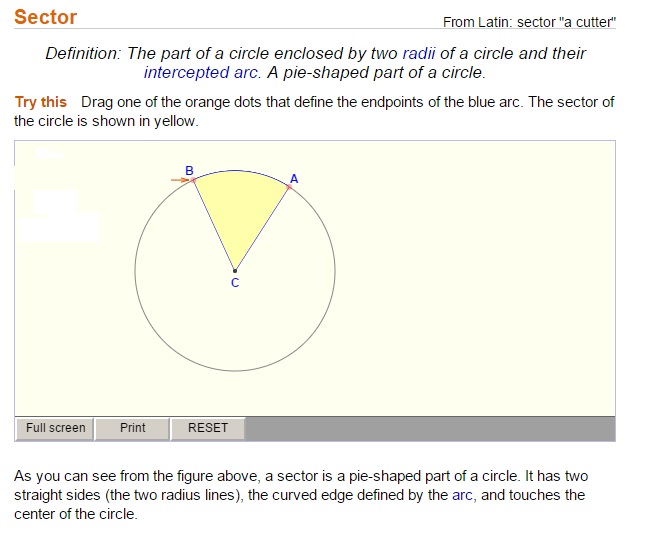
circular sector
and
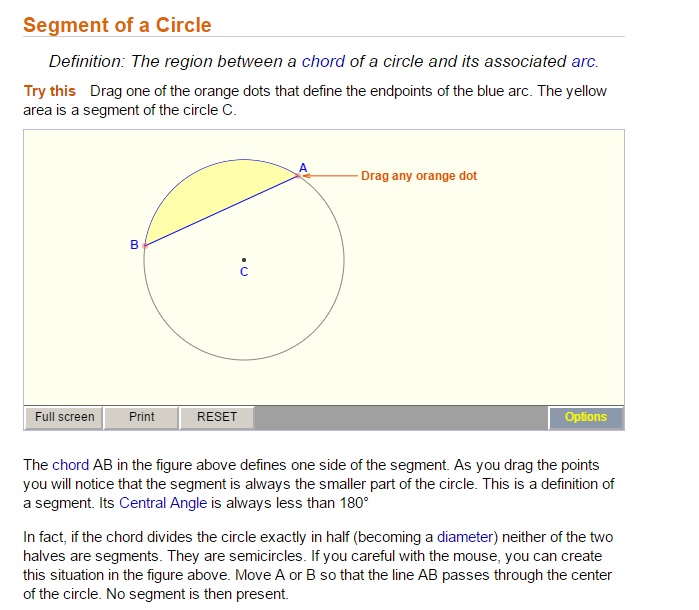
circular segment
.
continue to use the
skills of developing
geometric proof
from postulates,
theorems,
conclusions,
properties and
features;
know and
recognize
the
language associated with circle properties
: segments (lines) and angles in circle (
chord, tangent, secant
,
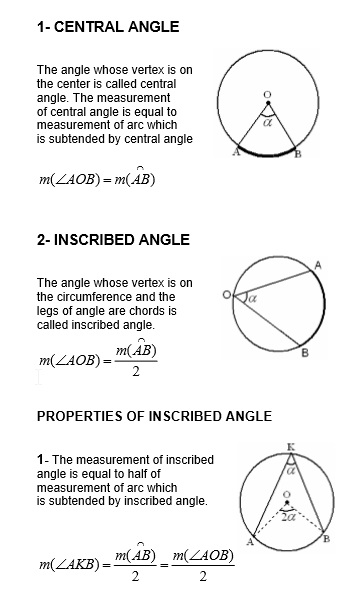
central
and
inscribed
angles)
prove and apply the chord properties in the circle, such as *
alternate segment theorem
, *
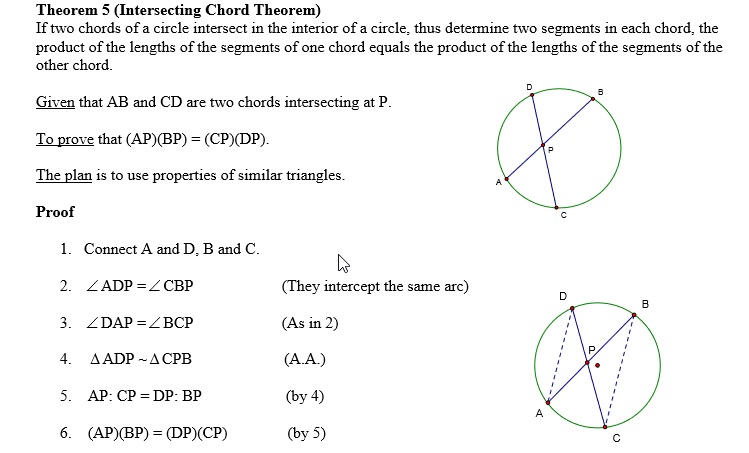
intersecting chord theorem
, *
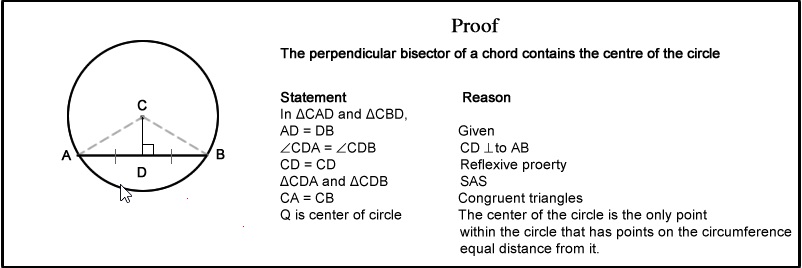
perpendicular bisector of a chord passes through the
center
of a circle
*
two chords of the same circle are equal if and only if their perpendicular bisectors are equal
*
a chord AB of a circle is larger than a chord CD of the same circle if and only if the perpendicular bisector of AB, OE, is smaller than the perpendicular bisector of CD, OF. So AB > CD 〈=〉 ⇔ OE < OF
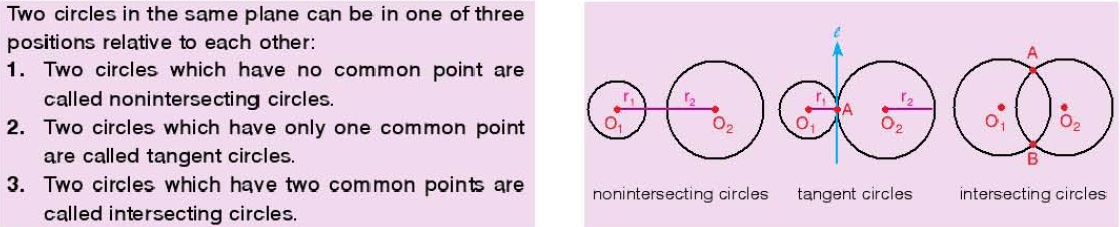
investigate the geometry of an
arrangement of a line and a circle, two circles;
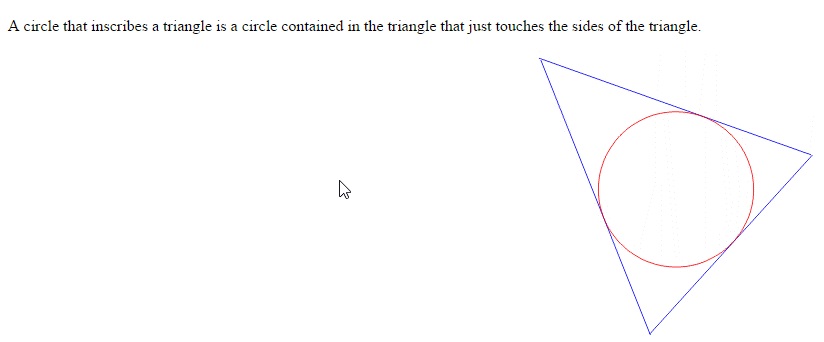
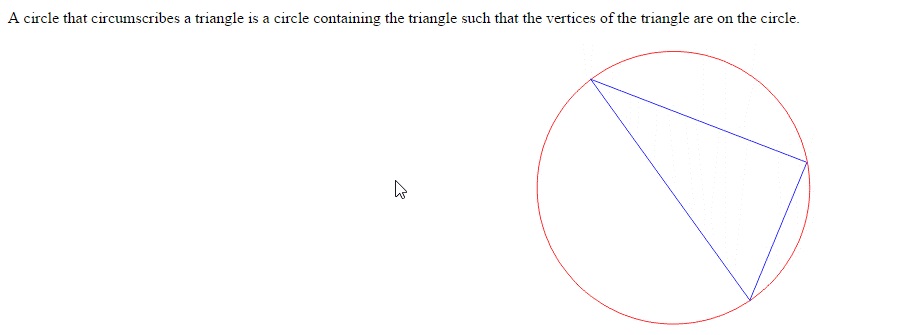
understand the terms associated with
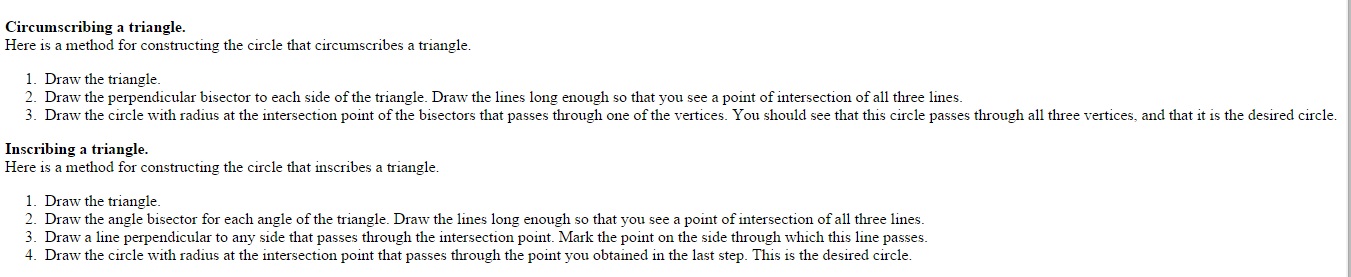
circumcircle
and
incircle
of a triangle;
understand the concept of
inscribed
and
circumscribed
polygons;
identify the location of
centers of circumscribed and inscribed circles
in polygons;
prove and apply
properties and characteristics of circumscribed and inscribed
quadrilaterals: e.g.
opposite angles in a quadrilateral inscribed in a circle add up to 180°
, the
sum of the lengths of opposite sides of a quadrilateral circumscribed around a circle are equal
prove and apply the
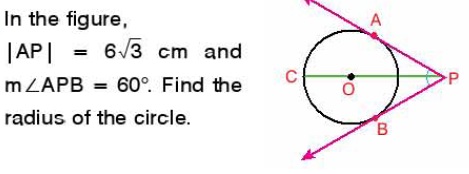
two tangent theorem
(the lengths of two tangents drawn from the same point are equal);
prove and apply the theorems that *
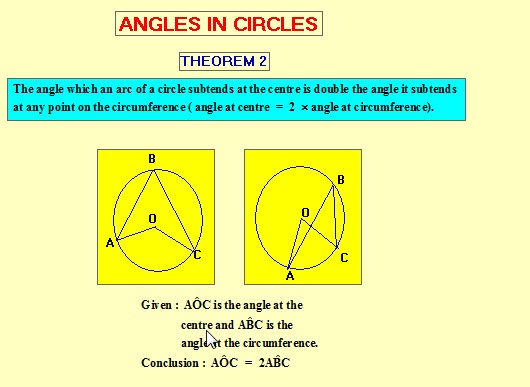
an inscribed angle is half the central angle
; *
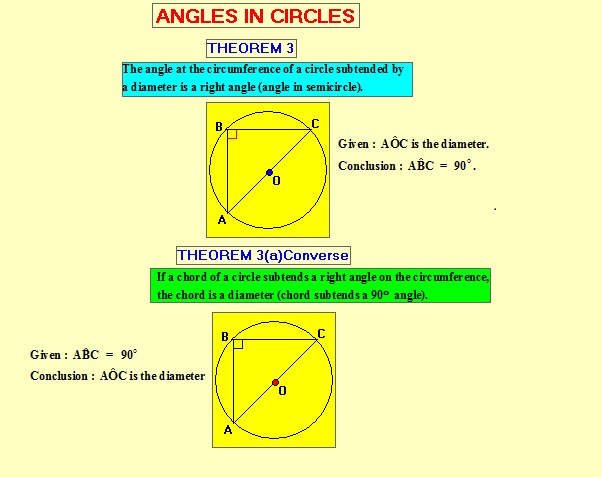
the angle inscribed in a semi-circle is 90°
; *
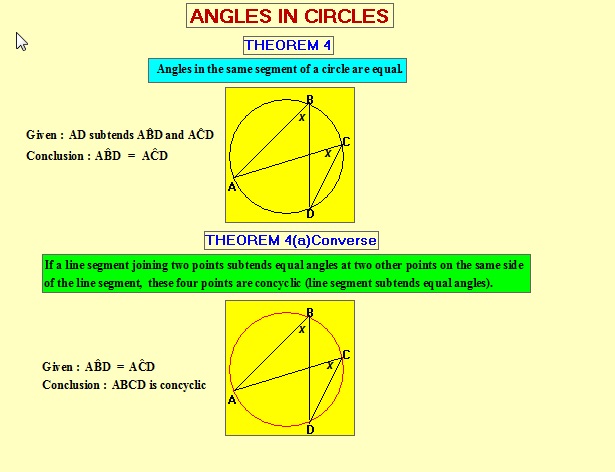
angles in the same segment are equa
l
Make a
free website
with
Yola